
Observabilidade em Produção: Guia de Monitoramento, Métricas, Prometheus e Grafana (2026)
Métricas, painéis, logs e alertas para sistemas de produção — Prometheus, Grafana, Kubernetes e cargas de trabalho de IA.
Observabilidade é a base de sistemas de produção confiáveis.
Sem métricas, painéis e alertas, os clusters Kubernetes se desviam, as cargas de trabalho de IA falham silenciosamente e as regressões de latência passam despercebidas até que os usuários reclame.
Se você está executando:
- Clusters Kubernetes
- Cargas de trabalho de inferência de IA e LLM
- Infraestrutura de GPU
- APIs e microsserviços
- Sistemas cloud-native
Você precisa de mais do que logs não estruturados que você só pode grep.
Você precisa de monitoramento, alertas e visibilidade do sistema em nível de produção — métricas, painéis e (onde for adequado) logs estruturados e traces.
Este pilar conecta conceitos a guias concretos: Prometheus e Grafana, registro de logs de aplicativos em Go, visibilidade de Kubernetes e GPU, e padrões de observabilidade para cargas de trabalho de IA e LLM. Para o design de sinal de incidente de ponta a ponta, inclua Design de Sistemas de Alerta Modernos para Equipes de Observabilidade.
O que Este Guia Aborda
Este pilar de observabilidade conecta conceitos fundamentais de monitoramento à implementação real em produção:
- Arquitetura de métricas do Prometheus
- Painéis e alertas do Grafana
- Design de alertas, roteamento e redução de ruído
- Registro de logs estruturados em Go com log/slog (logs em JSON, correlação, eventos amigáveis para alertas)
- Padrões de observabilidade para Kubernetes
- Monitoramento de GPU e hardware
- Observabilidade para sistemas de IA e LLM
- Exemplos práticos de monitoramento de LLM
Comece com os fundamentos abaixo e, em seguida, siga os links para aprofundar.
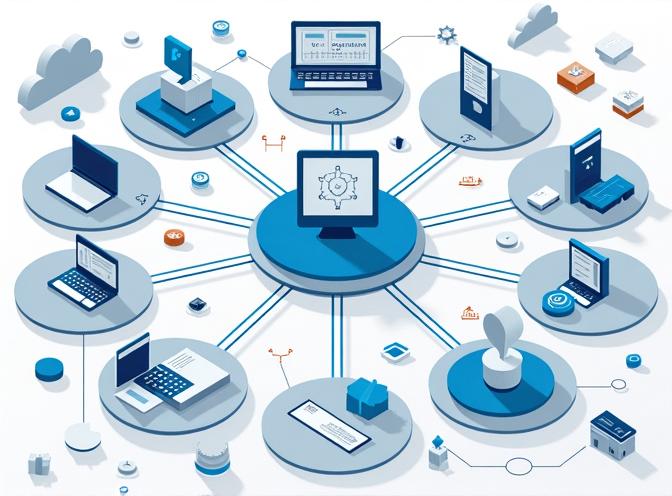
O que é Observabilidade?
Observabilidade é a capacidade de entender o estado interno de um sistema usando saídas externas.
Em sistemas modernos, a observabilidade consiste em:
- Métricas – dados de séries temporais quantitativos
- Logs – registros de eventos discretos
- Traces – fluxos de solicitação distribuídos
Monitoramento é um subconjunto da observabilidade.
O monitoramento diz a você que algo está errado.
A observabilidade ajuda você a entender por quê.
Em sistemas de produção — especialmente sistemas distribuídos — essa distinção é importante.
Monitoramento vs Observabilidade
Muitas equipes confundem monitoramento e observabilidade.
| Monitoramento | Observabilidade |
|---|---|
| Alerta quando limites são cruzados | Permite análise de causa raiz |
| Focado em métricas predefinidas | Projetado para modos de falha desconhecidos |
| Reativo | Diagnóstico |
O Prometheus é um sistema de monitoramento.
O Grafana é uma camada de visualização.
Juntos, eles formam a espinha dorsal de muitas pilhas de observabilidade.
Monitoramento com Prometheus
O Prometheus é o padrão de facto para coleta de métricas em sistemas cloud-native.
O Prometheus fornece:
- Coleta de métricas baseada em pull
- Armazenamento de séries temporais
- Consulta PromQL
- Integração com Alertmanager
- Descoberta de serviços para Kubernetes
Se você está executando Kubernetes, microsserviços ou cargas de trabalho de IA, o Prometheus provavelmente já faz parte da sua pilha.
Comece aqui:
Monitoramento com Prometheus: configuração e melhores práticas
Este guia aborda:
- Arquitetura do Prometheus
- Instalando o Prometheus
- Configurando alvos de coleta (scrape targets)
- Escrevendo consultas PromQL
- Configurando regras de alerta
- Considerações para produção
O Prometheus é simples de começar — mas sutil para operar em escala.
Painéis do Grafana
O Grafana é a camada de visualização para o Prometheus e outras fontes de dados.
O Grafana permite:
- Painéis em tempo real
- Visualização de alertas
- Integração multi-fonte de dados
- Visões de observabilidade em nível de equipe
Começando:
Instalar e usar o Grafana no Ubuntu (guia completo)
O Grafana transforma métricas brutas em insights operacionais.
Sem painéis, as métricas são apenas números.
Registro de logs estruturados em Go
Métricas e painéis ajudam apenas quando os sinais que você emite são consistentes e legíveis por máquina. Logs de texto puro desmoronam assim que você precisa de filtros confiáveis, agregações, junções com traces ou regras de alerta derivadas de logs.
Para serviços Go, log/slog (estável desde o Go 1.21) modela registros com tempo, nível, mensagem e atributos; JSONHandler fornece um evento consultável por linha; os manipuladores (handlers) são o lugar certo para redação e ajustes de esquema; e campos estáveis como request_id, trace_id e span_id conectam os logs ao resto da pilha de observabilidade.
Comece aqui:
Registro de Logs Estruturados em Go com slog para Observabilidade e Alertas
Esse guia percorre a configuração orientada à produção, disciplina de esquema e cardinalidade, correlação alinhada com OpenTelemetry e o uso de eventos estruturados como entradas para monitoramento e alertas.
Como Prometheus e Grafana Funcionam Juntos
O Prometheus coleta e armazena métricas.
O Grafana consulta o Prometheus usando PromQL e visualiza os resultados.
Em produção:
- O Prometheus lida com ingestão e avaliação de alertas
- O Alertmanager roteia os alertas
- O Grafana fornece painéis e visualizações de alertas
- Logs e traces são adicionados para diagnóstico mais profundo
Se você é novo em observabilidade, leia nesta ordem:
- Prometheus (base de métricas)
- Grafana (camada de visualização)
- Design de Sistemas de Alerta
- Registro de logs estruturados em Go com slog (quando sua pilha inclui serviços Go enviando logs JSON para Loki, Elasticsearch ou backends semelhantes)
- Padrões de monitoramento do Kubernetes
- Observabilidade para Sistemas LLM
Para um exemplo prático aplicado a cargas de trabalho de inferência de LLM, veja Monitorar Inferência de LLM em Produção.
Observabilidade no Kubernetes
Kubernetes sem observabilidade é adivinhação operacional.
O Prometheus integra-se profundamente com o Kubernetes através de:
- Descoberta de serviços
- Métricas em nível de Pod
- Exportadores de nó
- kube-state-metrics
Os padrões de observabilidade para Kubernetes incluem:
- Monitoramento do uso de recursos (CPU, memória, GPU). Para visibilidade de GPU em nível de nó e ferramentas de depuração (nvidia-smi, nvtop, nvitop, KDE Plasma System Monitor), veja Aplicativos de monitoramento de GPU no Linux / Ubuntu.
- Alerta sobre reinícios de pods
- Rastreamento da saúde da implantação
- Medição da latência de solicitações
Prometheus + Grafana permanece como a pilha de monitoramento mais comum para Kubernetes.
Observabilidade para Sistemas de IA e LLM
O monitoramento tradicional de API não é suficiente para cargas de trabalho de LLM.
Os sistemas LLM falham de maneiras diferentes:
- Filas enchem silenciosamente
- A memória da GPU satura antes dos picos de CPU
- O tempo até o primeiro token (TTFT) se degrada antes que a latência total exploda
- O throughput de tokens colapsa enquanto a taxa de solicitações parece estável
Se você está executando servidores de inferência como Triton, vLLM ou TGI, você deve monitorar:
- Tempo até o primeiro token (TTFT)
- Percentis de latência de ponta a ponta
- Throughput de tokens (entrada/saída)
- Profundidade da fila e comportamento de lote
- Utilização da GPU e pressão na memória da GPU
- Latência de recuperação e chamada de ferramentas
- Custo por solicitação (economia impulsionada por tokens)
Para um guia prático e hands-on usando painéis do Prometheus e Grafana, veja Monitorar Inferência de LLM em Produção.
Aprofunde-se aqui: Observabilidade para Sistemas LLM: Métricas, Traces, Logs e Testes em Produção
Este guia aborda:
- Métricas Prometheus para inferência de LLM
- Convenções semânticas GenAI do OpenTelemetry
- Tracing com Jaeger e Tempo
- Monitoramento de GPU com exportador DCGM
- Arquitetura de logs Loki / ELK
- Perfilamento e testes sintéticos
- Design de SLO para sistemas LLM
- Comparação completa de ferramentas (Prometheus, Grafana, OTel, plataformas APM)
Se você está implantando infraestrutura de LLM em produção, leia este guia.
Métricas vs Logs vs Traces
As métricas são ideais para:
- Alertas
- Tendências de desempenho
- Planejamento de capacidade
Os logs são ideais para:
- Depuração de eventos
- Diagnóstico de erros
- Rastreamentos de auditoria
Os traces são ideais para:
- Análise de solicitações distribuídas
- Detalhamento da latência de microsserviços
Uma arquitetura de observabilidade madura combina os três.
O Prometheus foca em métricas.
O Grafana visualiza métricas e frequentemente serve como porta de entrada para backends de log (por exemplo, Loki) ao lado do Prometheus.
Para emitir logs de aplicativos estruturados e consultáveis em Go antes que eles atinjam seu pipeline de logs, veja a seção Registro de logs estruturados em Go acima.
Neste site, Observabilidade para Sistemas LLM já percorre métricas, traces e arquitetura de logs para pilhas de inferência. Guias adicionais focados podem seguir para configuração do OpenTelemetry, análise de traces e padrões de agregação de logs fora do contexto de LLM.
Erros Comuns de Monitoramento
Muitas equipes implementam monitoramento incorretamente.
Erros comuns incluem:
- Nenhum ajuste de limite de alerta
- Muitos alertas (fadiga de alertas)
- Nenhum painel para serviços-chave
- Nenhum monitoramento para jobs em segundo plano
- Ignorando percentis de latência
- Não monitorando cargas de trabalho de GPU
Observabilidade não é apenas instalar o Prometheus.
É projetar uma estratégia de visibilidade do sistema.
Melhores Práticas de Observabilidade em Produção
Se você está construindo sistemas de produção:
- Monitore percentis de latência, não médias
- Rastreie taxas de erro e saturação
- Monitore métricas de infraestrutura e aplicativos
- Defina alertas acionáveis
- Revise os painéis regularmente
- Monitore métricas relacionadas a custos
A observabilidade deve evoluir com seu sistema.
Como a Observabilidade se Conecta a Outros Aspectos de TI
A observabilidade está intimamente conectada às operações do Kubernetes, infraestrutura em nuvem, inferência de IA, benchmarking de desempenho e utilização de hardware. É a espinha dorsal operacional dos sistemas de produção que você pretende executar por meses ou anos, não apenas clusters de demonstração.
Guias neste cluster
| Guia | O que você obtém |
|---|---|
| Monitoramento com Prometheus | Coleta, PromQL, alertas, notas de produção |
| Grafana no Ubuntu | Instalação, fontes de dados, painéis |
| Design de sistemas de alerta modernos | Roteamento de alertas, estratégia de canais, deduplicação e loops de feedback |
| Registro de logs estruturados em Go (slog) | Logs JSON, correlação, redação, sinais baseados em logs |
| Monitoramento de GPU no Linux / Ubuntu | nvidia-smi, nvtop, nvitop, ferramentas de desktop |
| Monitorar inferência de LLM | Prometheus + Grafana aplicado à inferência |
| Observabilidade para sistemas LLM | Métricas, traces, logs, GPU, SLOs, comparação de ferramentas |
Pensamentos Finais
Prometheus e Grafana não são acessórios descartáveis; eles são parte de como equipes modernas respondem a “o sistema está saudável?” e “o que quebrou?” em produção.
Se você não pode medir seu sistema, não pode melhorá-lo de forma confiável.
Use a ordem de leitura em Como Prometheus e Grafana Funcionam Juntos se você for novo na pilha, e depois escolha guias da tabela acima para sua carga de trabalho (Kubernetes, GPU, serviços Go ou inferência de LLM).
