
Zero-Knowledge Architecture: Privacy by Design
Privacy-preserving systems with zero-knowledge proofs
Zero-knowledge architecture represents a paradigm shift in how we design privacy-preserving systems.
Privacy-preserving systems with zero-knowledge proofs
Zero-knowledge architecture represents a paradigm shift in how we design privacy-preserving systems.

Type-safe reusable code with Go generics
Generics in Go represent one of the most significant language features added since Go 1.0. Introduced in Go 1.18, generics enable you to write type-safe, reusable code that works with multiple types without sacrificing performance or code clarity.
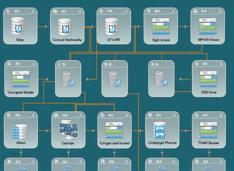
Complete guide to multi-tenancy database patterns
Multi-tenancy is a fundamental architectural pattern for SaaS applications, allowing multiple customers (tenants) to share the same application infrastructure while maintaining data isolation.
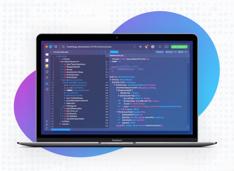
Compare headless CMS - features, performance & use cases
Choosing the right headless CMS can make or break your content management strategy. Let’s compare three open-source solutions that influence how devs build content - driven applications.

CLI development in Go with Cobra and Viper frameworks
Command-line interface (CLI) applications are essential tools for developers, system administrators, and DevOps professionals. Two Go libraries have become the de facto standard for CLI development in Go: Cobra for command structure and Viper for configuration management.
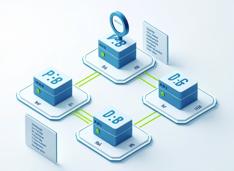
Cut LLM costs by 80% with smart token optimization
Token optimization is the critical skill separating cost-effective LLM applications from budget-draining experiments.
Event-driven architecture with AWS Kinesis for scale
AWS Kinesis has become a cornerstone for building modern event-driven microservices architectures, enabling real-time data processing at scale with minimal operational overhead.

Optimize frontend APIs with GraphQL BFF and Apollo Server
The Backend for Frontend (BFF) pattern combined with GraphQL and Apollo Server creates a powerful architecture for modern web applications.

Python testing with pytest, TDD, mocking, and coverage
Unit testing ensures your Python code works correctly and continues to work as your project evolves. This comprehensive guide covers everything you need to know about unit testing in Python, from basic concepts to advanced techniques.
Build MCP servers for AI assistants with Python examples
The Model Context Protocol (MCP) is revolutionizing how AI assistants interact with external data sources and tools. In this guide, we’ll explore how to build MCP servers in Python, with examples focused on web search and scraping capabilities.
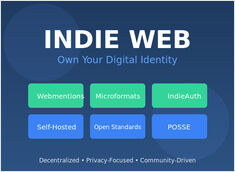
Own your content and control your identity
The web was originally designed as a decentralized network where anyone could publish and connect. Over time, corporate platforms consolidated control, creating walled gardens where users are products and content is locked in. The Indie Web movement aims to restore the original promise of the web: personal ownership, creative freedom, and genuine connection.

How to manage state in Flutter
In this article, we’ll explore six popular ways of managing state in Flutter apps, including real examples and best practices:
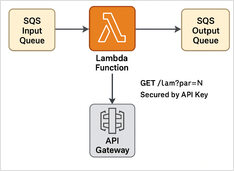
Step-by-step example
Here we have a Python Lambda example of SQS Message Processor + REST API with API Key Protection + Terraform script to deploy it for serverless execution.

How to develop Amazon Alexa Skill - instructions.
In this article, we’ll take a deep dive into Alexa skill development, testing, and publishing. We’ll also cover design principles, technical considerations, and best practices to ensure your skill provides an engaging and natural user experience.

Slightly different APIs require special approach.
Here’s a side-by-side support comparison of structured output (getting reliable JSON back) across popular LLM providers, plus minimal Python examples

A couple of ways to get structured output from Ollama
Large Language Models (LLMs) are powerful, but in production we rarely want free-form paragraphs. Instead, we want predictable data: attributes, facts, or structured objects you can feed into an app. That’s LLM Structured Output.