Implementing Workflow Applications with Temporal in Go: A Complete Guide
Build workflows in Go with the Temporal SDK
Build workflows in Go with the Temporal SDK

Selenium, chromedp, Playwright, ZenRows - in Go.
Choosing the right browser automation stack and webscraping in Go affects speed, maintenance, and where your code runs.
Python browser automation and E2E testing compared.
Choosing the right browser automation stack in Python affects speed, stability, and maintenance. This overview compares Playwright vs Selenium vs Puppeteer vs LambdaTest vs ZenRows vs Gauge - with a focus on Python, while noting where Node.js or other languages fit in.
January 2026 trending Go repos
The Go ecosystem continues to thrive with innovative projects spanning AI tooling, self-hosted applications, and developer infrastructure. This overview analyzes the top trending Go repositories on GitHub this month.
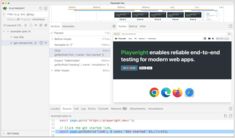
Master browser automation for testing & scraping
Playwright is a powerful, modern browser automation framework that revolutionizes web scraping and end-to-end testing.
Testing Cognee with local LLMs - real results
Cognee is a Python framework for building knowledge graphs from documents using LLMs. But does it work with self-hosted models?

Type-safe LLM outputs with BAML and Instructor
When working with Large Language Models in production, getting structured, type-safe outputs is critical. Two popular frameworks - BAML and Instructor - take different approaches to solving this problem.
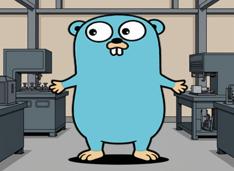
Organize Go projects efficiently with modern workspaces
Managing Go projects effectively requires understanding how workspaces organize code, dependencies, and build environments.
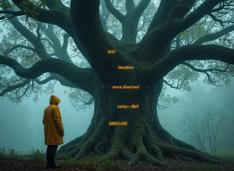
Structure your Go projects for scalability and clarity
Structuring a Go project effectively is fundamental to long-term maintainability, team collaboration, and scalability. Unlike frameworks that enforce rigid directory layouts, Go embraces flexibility—but with that freedom comes the responsibility to choose patterns that serve your project’s specific needs.
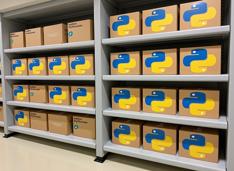
Python DI patterns for clean, testable code
Dependency injection (DI) is a fundamental design pattern that promotes clean, testable, and maintainable code in Python applications.
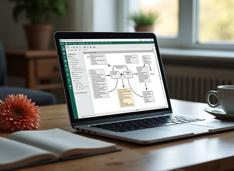
Master DI patterns for testable Go code
Dependency injection (DI) is a fundamental design pattern that promotes clean, testable, and maintainable code in Go applications.
Speed up Go tests with parallel execution
Table-driven tests are the idiomatic Go approach for testing multiple scenarios efficiently.
When combined with parallel execution using t.Parallel(), you can dramatically reduce test suite runtime, especially for I/O-bound operations.

Build AI search agents with Python and Ollama
Ollama’s Python library now includes native OLlama web search capabilities. With just a few lines of code, you can augment your local LLMs with real-time information from the web, reducing hallucinations and improving accuracy.

Pick the right vector DB for your RAG stack
Choosing the right vector store can make or break your RAG application’s performance, cost, and scalability. This comprehensive comparison covers the most popular options in 2024-2025.
Build AI search agents with Go and Ollama
Ollama’s Web Search API lets you augment local LLMs with real-time web information. This guide shows you how to implement web search capabilities in Go, from simple API calls to full-featured search agents.
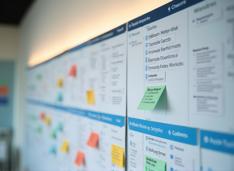
Auto-generate OpenAPI docs from code annotations
API documentation is crucial for any modern application, and for Go APIs Swagger (OpenAPI) has become the industry standard. For Go developers, swaggo provides an elegant solution to generate comprehensive API documentation directly from code annotations.